
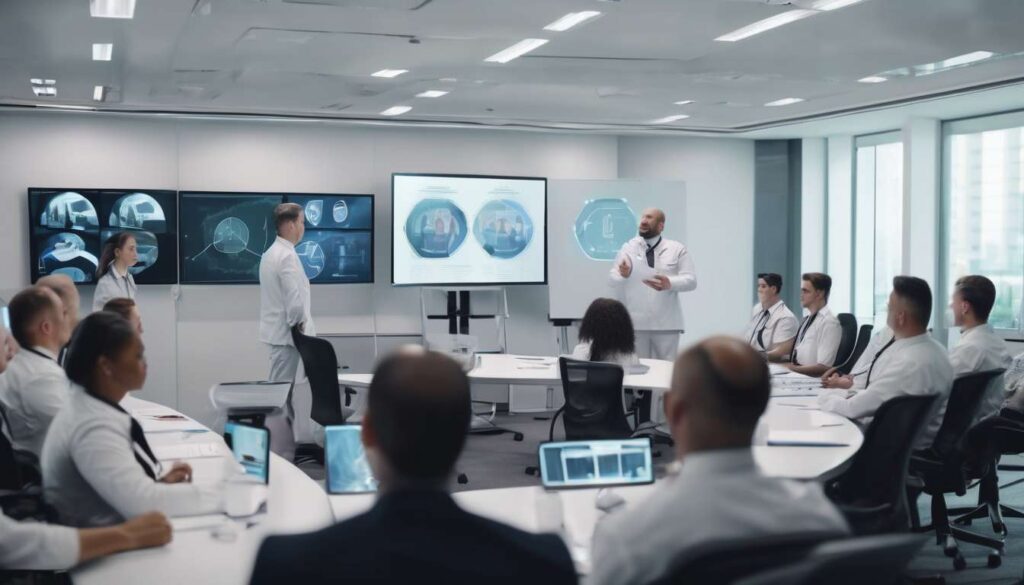
Standing in the bustling arena filled with excited spectators, we remember the chaos of rapid evacuations during an unexpected fire alarm last year. That day, we realized the profound importance of proper training for venue safety. This incident was more than just a wake-up call; it was a catalyst for change.
In an environment where thousands gather, ensuring everyone’s safety requires more than intuition—it demands precise, knowledgeable training. Witnessing the venue staff coordinate swiftly and follow safety protocols with precision, we understood the impact professional training could have. It was clear that their competence was not left to chance but honed through rigorous training programs designed to prepare them for everything from minor mishaps to major emergencies.
This experience emphasized the crucial role that such training plays in maintaining and elevating safety standards in venues. It transforms arenas into secure spaces where we all can feel assured that our safety is priority number one.
Foundational Knowledge
A comprehensive understanding of venue safety standards begins with mastering basic safety principles and protocols. As a collective, we’re responsible for ensuring that everyone enters a safe environment.
Our journey starts with solid training that emphasizes safety at every level, reminding us that knowledge is our greatest tool. With proper training, we not only protect ourselves but also foster a sense of belonging and responsibility within our teams.
Training sessions are more than just mandatory requirements—they’re opportunities to build a culture of compliance and trust. They help us:
- Identify potential hazards
- Understand the importance of regulations
- Apply these principles in real-world scenarios
By doing so, we create an environment where everyone feels secure and valued.
Compliance isn’t just about meeting standards; it’s about internalizing them until they become second nature. When we all commit to these foundational principles, we strengthen our community and ensure that safety is never compromised.
Together, we make our venues places where everyone feels at home.
Emergency Response Procedures
In any venue, we’re prepared to act swiftly and effectively during emergencies to protect everyone involved. Our commitment to safety is unwavering, and it starts with comprehensive training. By focusing on emergency response procedures, we ensure that our team knows exactly how to respond, minimizing panic and maximizing efficiency. This preparation fosters a sense of belonging and trust among staff and guests alike.
Our training programs are designed to meet industry compliance standards, ensuring that every team member is equipped with the necessary skills. We drill regularly, simulating real-life scenarios so that when an emergency arises, our actions are second nature. It’s this dedication to readiness that defines our safety culture.
Compliance isn’t just about ticking boxes; it’s about creating an environment where everyone feels secure. By investing in professional training, we reinforce our shared responsibility to safeguard each other. Together, we build a community that’s not only prepared but also confident in our ability to handle any situation.
Risk Assessment Training
Assessing risks is crucial, and we’ve tailored our training to empower our team to identify and mitigate potential hazards effectively. By focusing on risk assessment, we ensure that everyone feels secure and confident in their roles.
Key aspects of our training program include:
- Emphasizing teamwork and shared responsibility for safety
- Building a culture where safety is a shared value, not just a requirement
Our comprehensive approach to risk assessment training covers various scenarios, enabling team members to anticipate issues before they arise. This proactive stance supports compliance with safety standards and helps us maintain a safe venue environment.
Training methods include:
- Real-world examples
- Hands-on exercises
These methods reinforce our commitment to safety and strengthen our skills.
As a united team, we’re not just meeting compliance requirements; we’re exceeding them. Through continuous learning and collaboration, we create a place where everyone feels valued and protected, ensuring a welcoming and secure environment for all.
Communication Protocols
Effective Communication Protocols
Effective communication protocols play a pivotal role in ensuring our team can swiftly and accurately share vital information during any situation. When we prioritize proper training in these protocols, we build a foundation of safety and trust within our team. This shared understanding fosters a sense of belonging and confidence, knowing we’re all on the same page.
Commitment to Compliance
Our commitment to compliance with established communication standards means we’re prepared to respond efficiently to any incident, big or small.
Training Sessions Focus
In our training sessions, we emphasize clear and concise communication. These skills are essential for:
- Maintaining safety across our venue.
- Ensuring every team member knows their role and responsibilities.
Regular Drills and Updates
Through regular drills and updates, we reinforce these protocols, allowing us to adapt to new challenges seamlessly.
Benefits of Open Communication
By maintaining open lines of communication, we:
- Comply with safety regulations.
- Create an environment where everyone feels valued and informed.
Conclusion
Together, we ensure our venue is a secure and welcoming space for all.
Crowd Management Techniques
Managing large crowds effectively requires us to implement strategic techniques that ensure both organization and safety.
Training and Skills Development
Our commitment to safety begins with comprehensive training programs that equip us with the necessary skills to handle any situation confidently. By mastering crowd management techniques, we can maintain compliance with safety standards, creating an environment where everyone feels secure and connected.
Core Training Focus Areas
- Understanding crowd dynamics
- Identifying potential risks before they escalate
- Practicing strategic positioning
- Guiding attendees smoothly and efficiently
Communication and Trust
Our approach prioritizes:
- Open communication
- Active listening
These elements foster a sense of trust and belonging among the crowd.
Preparedness and Adaptability
It’s vital we stay vigilant and adaptable, ready to respond to changes swiftly. Regular drills and simulations reinforce our preparedness, allowing us to handle diverse scenarios with competence.
By working together and upholding these techniques, we create a safe, welcoming atmosphere that enhances the overall experience for everyone involved. Our teamwork makes safety our shared success.
Equipment Handling Skills
Handling equipment efficiently is crucial for ensuring the smooth operation of any event. As professionals, we understand that our collective safety hinges on our skills and preparedness.
Investing in comprehensive training programs enhances our ability to manage equipment responsibly, fostering a sense of unity and confidence among our team. In our journey towards mastering equipment handling, compliance with established safety standards is non-negotiable.
Through rigorous training, we learn to:
- Operate machinery proficiently
- Identify potential hazards
- Protect our safety and that of our colleagues
This collective commitment to safety ensures that every event runs smoothly, reinforcing our sense of belonging to a professional community that prioritizes well-being.
Moreover, by honing our equipment handling skills, we’re not just meeting compliance requirements but also setting a standard of excellence. We strive to create an environment where:
- Safety is second nature
- Every team member feels valued and protected
Together, we elevate industry standards.
Legal Compliance Training
In our pursuit of excellence, we prioritize understanding and adhering to the legal frameworks that govern our industry. Legal compliance training is essential to ensuring safety in our venues. By keeping up with the latest regulations, we create an environment where everyone feels secure and valued.
Our team’s commitment to compliance not only protects us legally but also fosters a sense of community and trust among employees and patrons alike.
We believe that comprehensive training programs are the foundation of effective compliance. These programs equip us with the knowledge needed to navigate complex legal requirements confidently.
- We engage in regular workshops and courses that focus on the specifics of safety laws and regulations.
- This ensures that we consistently meet or exceed industry standards.
By investing in our team’s ongoing education, we reinforce a collective responsibility for safety. Together, we build a culture where compliance isn’t just a requirement—it’s a shared value that enhances our community’s well-being.
Continuous Improvement Strategies
Our commitment to continuous improvement drives us to regularly assess and enhance our safety protocols. We understand that our collective well-being is rooted in a culture of vigilance and innovation.
Regular Training Sessions:
- We embrace regular training sessions to ensure everyone is well-versed in the latest safety measures and compliance requirements.
- These sessions foster a shared responsibility for the safety of our venues rather than just ticking boxes.
Encouraging Feedback:
- We actively encourage feedback from our team to maintain top-tier safety standards.
- This open dialogue allows us to identify areas for improvement and implement effective strategies swiftly.
- Our goal is not merely to meet compliance but to exceed it, ensuring everyone feels secure and valued.
Updating Training Materials:
- We prioritize updating our training materials and procedures to reflect the latest industry standards.
- This proactive approach helps us stay ahead of potential risks and fortifies our community’s trust.
Together, we are not just participants in safety—we’re champions of it, creating spaces where everyone feels they belong.
How does venue safety training impact customer satisfaction and business reputation?
Venue safety training greatly impacts customer satisfaction and business reputation.
When our team is well-trained, they can ensure a safe and enjoyable experience for our patrons. By prioritizing safety, we build trust with our customers, leading to positive feedback and repeat business.
Additionally, a strong safety record enhances our reputation in the industry. This not only attracts new customers but also solidifies our standing as a reliable and responsible venue.
What role does technology play in enhancing venue safety training programs?
Technology plays a crucial role in enhancing venue safety training programs.
We rely on innovative tools such as:
- Virtual reality simulations
- Online modules
These tools provide hands-on experience and up-to-date information.
Benefits of these resources include:
- Staying ahead of potential risks.
- Ensuring the team is well-prepared to handle any situation.
By embracing technology, we can:
- Continually improve our safety protocols.
- Create a secure environment for both customers and employees.
How are training programs tailored to different types of venues, such as sports arenas versus concert halls?
When tailoring training programs for different types of venues, like sports arenas versus concert halls, we focus on specific safety protocols and scenarios unique to each setting.
By understanding the distinct needs and challenges of each venue, we can provide targeted training that equips staff with the necessary skills to respond effectively in emergencies.
This personalized approach ensures that venue safety standards are upheld across various environments.
Conclusion
In conclusion, professional training plays a crucial role in maintaining high venue safety standards. By equipping staff with the necessary knowledge and skills, incidents can be mitigated and lives can be protected.
Key training areas include:
- Emergency response procedures
- Effective communication protocols
- Crowd management techniques
Continuous improvement strategies ensure that safety measures are always evolving to meet the demands of the dynamic event industry.
Stay proactive and committed to training to ensure a safe and secure environment for all.