
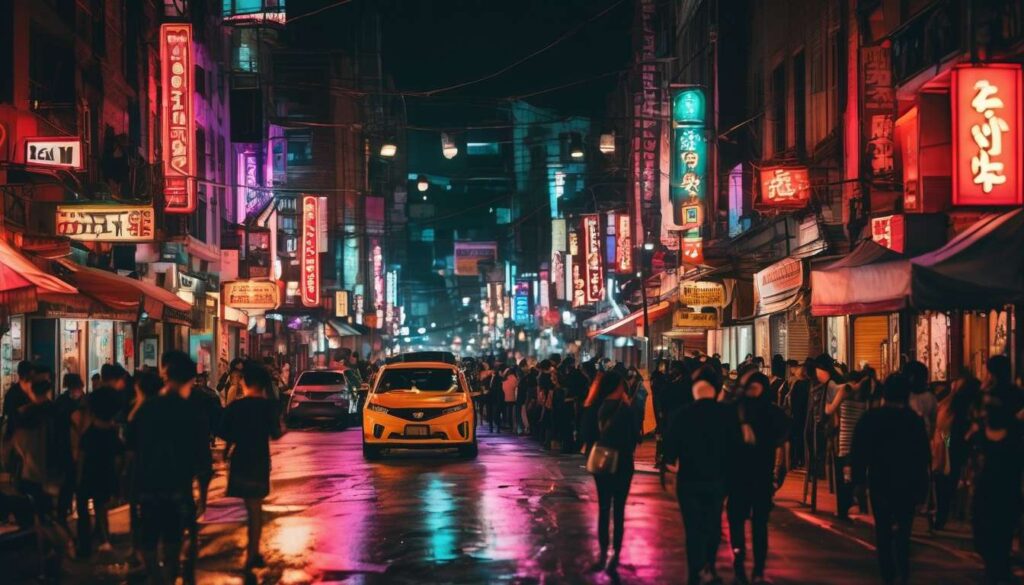
Gathering around energetic dance floors and lively bars, many of us believe that entertainment districts are bustling all night, unrestricted and carefree. However, the reality is far more nuanced. As we explore the evolving landscape of entertainment districts, it becomes clear that the widely held perception of these areas being devoid of regulation is quite misleading.
Cities everywhere are reassessing how late-night venues operate. Local councils and residents alike are beginning to weigh the potential economic benefits of a vibrant nightlife against concerns over noise, safety, and neighborhood harmony.
We find ourselves at a crossroads, where the myth of never-ending revelry meets the necessity for balance and responsibility. Everything from closing times to permissible sound levels is under scrutiny.
As we delve into the discussions and decisions being made, we illuminate the delicate dance between maintaining vibrant social scenes and ensuring neighborhood peace.
The Evolution of Entertainment Districts
Over the years, entertainment districts have transformed significantly, moving from quaint gathering spots to bustling hubs of nightlife and culture. In these vibrant areas, we find ourselves drawn together, sharing experiences that strengthen our sense of community.
The allure of late-night venues brings an undeniable energy to our streets, inviting both locals and visitors to join in on the excitement.
As these districts evolve, so do the regulations that govern them. There is a need to balance thriving nightlife with community interests, ensuring everyone feels included and respected. Regulations are not just rules; they are tools that help us create spaces where we all belong.
Our shared experiences in entertainment districts reflect the diverse tapestry of our community. As we navigate these changes, it’s essential to uphold the spirit of togetherness that defines us.
By working collectively, we can ensure these districts remain lively and welcoming, fostering a sense of belonging for everyone.
Balancing Economic Growth and Community Concerns
As we embrace the economic benefits of vibrant nightlife, we must also address the legitimate concerns of community members to maintain harmony.
Our entertainment districts thrive because of the diverse nightlife options they offer, injecting vitality and financial growth into our neighborhoods. However, it’s essential that we find a balance that respects the needs of all community members.
To achieve this balance, we should consider implementing thoughtful regulations that allow nightlife to flourish without compromising the quality of life for nearby residents.
- Engaging with community members and local businesses will ensure that the voices of all stakeholders are heard and respected.
- By fostering open communication, we can create an environment where everyone feels valued and included.
Let’s work together to develop guidelines that protect our neighborhoods’ character while supporting economic growth. By addressing these concerns collaboratively, we can ensure that our community remains a welcoming and vibrant place for everyone.
Together, we can build a future where nightlife and community coexist harmoniously.
Revisiting Closing Time Policies
Let’s rethink our closing time policies to better accommodate both the vibrancy of nightlife and the well-being of local residents.
As a community, we cherish the energetic pulse of our nightlife, which brings us together and supports local economies. However, we also understand the need for regulations that respect the diverse needs of our residents.
We must find a balance where nightlife can thrive without compromising our community’s peace. By reevaluating current closing time policies, we can create a more inclusive environment for everyone.
- Perhaps staggered closing times or extended hours on specific days could help us achieve this balance, providing flexibility while maintaining order.
Engaging with local businesses, residents, and policymakers, we can craft solutions that reflect our shared values. It’s essential that our regulations not only foster economic growth but also ensure that everyone feels they belong in a harmonious community.
Together, we can create a nightlife scene that respects all members of our community.
Assessing Noise Regulations for Nightlife
To ensure our nightlife is enjoyable for everyone, let’s evaluate how current noise regulations can be adapted to minimize disturbances while still allowing venues to thrive. Our community values both vibrant nightlife and peaceful living spaces. Balancing these priorities is crucial for fostering a sense of belonging among residents and patrons alike.
We need to explore how noise regulations can reflect the diverse needs of our community. By considering the following actions, we can create an environment where nightlife venues coexist harmoniously with residential areas:
- Updating soundproofing requirements.
- Adjusting acceptable noise levels during specific hours.
Engaging local businesses in these discussions helps ensure regulations are realistic and supportive of economic growth.
Moreover, we should encourage venues to adopt innovative sound management technologies. This proactive approach not only respects residents but also enhances the overall nightlife experience.
- When we work together, we build a community where everyone feels included and respected, ensuring our entertainment districts remain vibrant and welcoming for all. *
Safety Measures in Late-Night Venues
Ensuring Safety in Late-Night Venues
Ensuring safety in late-night venues requires implementing comprehensive measures that protect patrons and staff while maintaining a lively atmosphere. As we embrace the vibrant nightlife, we must adopt regulations that foster a sense of security and trust within our community. It’s essential to create environments where everyone feels welcomed and protected.
Enhancing Security Protocols
- Increase visible staff presence.
- Utilize technology like surveillance cameras.
These measures help deter potential issues and reassure guests that their well-being is prioritized.
Establishing Communication Channels
Establishing clear communication channels between venue operators, local authorities, and community members is crucial. This collaboration ensures that any concerns are swiftly addressed, promoting a harmonious nightlife experience.
Training Staff in Key Areas
- Conflict resolution
- Emergency response
By equipping staff with these skills, we’re not just following regulations; we’re building a community that thrives on mutual respect and care.
Conclusion
Together, let’s create nightlife spaces where we all belong and feel secure.
Impact of Alcohol Licensing Laws
Alcohol licensing laws significantly influence the operation and culture of late-night venues. They shape our nightlife experiences by determining when and where we can gather as a community to unwind and socialize. These regulations can either foster a vibrant nightlife or restrict it, depending on how they’re enforced.
Finding the right balance is crucial for maintaining a lively yet safe environment.
As community members, we often feel the impact of these laws firsthand:
- When licensing hours are reduced, it can limit our opportunities to connect with friends and enjoy entertainment.
- Conversely, if regulations are too lenient, it might lead to problems that affect everyone in the area.
Therefore, it’s vital to strike a balance that considers both the business needs of venue operators and the well-being of our community.
By understanding these laws, we can appreciate their role in shaping a nightlife that’s both enjoyable and responsible, ensuring everyone feels included and safe.
Community Engagement in Decision-Making
Effective decision-making in late-night venue regulations requires active engagement with diverse community voices. Nightlife is more than just entertainment; it’s a vibrant part of our community’s culture and identity.
By bringing together:
- Residents
- Business owners
- Local authorities
we create a space where everyone’s voice matters. Fostering open dialogue ensures the regulations reflect our collective needs and values.
Prioritize transparency and inclusivity in our community by:
- Hosting town hall meetings
- Creating online platforms for feedback
This approach bridges gaps between the community and decision-makers, strengthening community ties and leading to well-rounded regulations benefiting both nightlife patrons and residents.
Commitment to community engagement ensures that the nightlife scene thrives while respecting the needs of nearby residents. By working together, we create a balanced environment where late-night venues operate responsibly, fostering a sense of belonging and harmony for everyone.
The Future of Nighttime Entertainment
Envisioning the Future of Nighttime Entertainment
As we look ahead, envisioning the future of nighttime entertainment involves embracing innovation and adapting to evolving cultural trends. Nightlife is more than just late-night venues; it’s a crucial part of our community’s fabric, bringing us together to celebrate and connect.
Regulatory Evolution
As regulations evolve, we must ensure they reflect our collective desire for safe, vibrant spaces where everyone feels welcome. Regulations should evolve to support diverse entertainment options while balancing noise control and safety measures.
Community Collaboration
Our communities thrive when nightlife venues collaborate with:
- Local residents
- Businesses
- Authorities
This collaboration is key to creating environments that enhance our shared experiences.
Prioritizing Inclusivity and Safety
By prioritizing inclusivity and safety, we can foster a nightlife scene that resonates with all members of our community. We’re in this together, and by working collaboratively, we can create nightlife experiences that honor our traditions yet embrace change.
Imagining a Strengthened Community
Let’s imagine a future where our nightlife not only entertains but also strengthens the bonds that unite us all.
How do entertainment districts impact local property values and real estate markets?
Entertainment Districts and Real Estate Markets
Entertainment districts have a significant impact on local property values and real estate markets.
Positive Impacts:
- Increased Demand: Vibrant areas attract people, which can increase demand for nearby properties.
- Boosted Property Values: As demand rises, property values in these areas often see an increase.
Negative Impacts:
- Noise and Congestion: These factors can deter some potential buyers, affecting market dynamics negatively.
Balancing Factors:
- It is crucial to balance the positive draw of entertainment districts with the potential drawbacks to maintain a healthy real estate environment.
- This balance should aim to benefit both residents and businesses.
Guiding Decisions:
- Understanding the effects of entertainment districts on property values can help guide decisions that promote thriving communities and sustainable growth.
By considering both the advantages and challenges, stakeholders can make informed decisions that support long-term prosperity in these areas.
What role do cultural and historical preservation play in shaping entertainment district policies?
Cultural and historical preservation are essential in shaping entertainment district policies. They help maintain the identity and charm of our communities, making them unique and attractive.
By protecting these aspects, we ensure that our neighborhoods retain their character and remain appealing to both residents and visitors.
Embracing our cultural heritage in policy decisions has several benefits:
- Fosters a sense of pride
- Strengthens connection to our shared past
- Enriches the overall experience of our entertainment districts
Overall, integrating cultural and historical preservation into policy decisions is crucial for sustaining the distinctive appeal and vibrancy of our communities.
How are neighboring cities or districts addressing similar challenges with late-night venues?
Neighboring Cities and Districts’ Late-Night Venue Challenges
We’ve noticed that neighboring cities and districts are also grappling with challenges related to late-night venues. It seems like everyone is working hard to find the right balance between ensuring a vibrant nightlife scene and addressing concerns about noise, safety, and community impact.
Different Approaches to Addressing Challenges
It’s interesting to see how different places are approaching these issues. Learning from their experiences can help us make informed decisions for our own entertainment district.
Key Considerations:
-
Noise: Some cities implement strict noise ordinances or soundproofing requirements for venues to minimize disturbance to residents.
-
Safety: Enhanced policing, better lighting, and the use of surveillance technology are common strategies to ensure the safety of patrons and the surrounding community.
-
Community Impact: Engaging with local residents and business owners through regular meetings or feedback sessions can help address concerns and foster a cooperative atmosphere.
By observing and adopting successful strategies from others, we can strive to create a thriving and harmonious nightlife environment in our own community.
Conclusion
As you reflect on the changing landscape of entertainment districts, remember the importance of balancing economic prosperity with community well-being.
Reconsidering policies such as:
- Closing time regulations
- Noise control measures
- Safety protocols
- Alcohol licensing laws
are crucial steps in creating vibrant yet safe nightlife environments.
By actively engaging with the community in decision-making processes, the future of nighttime entertainment can be shaped to benefit all stakeholders involved.
Keep advocating for a harmonious blend of fun and responsibility in late-night venues.