
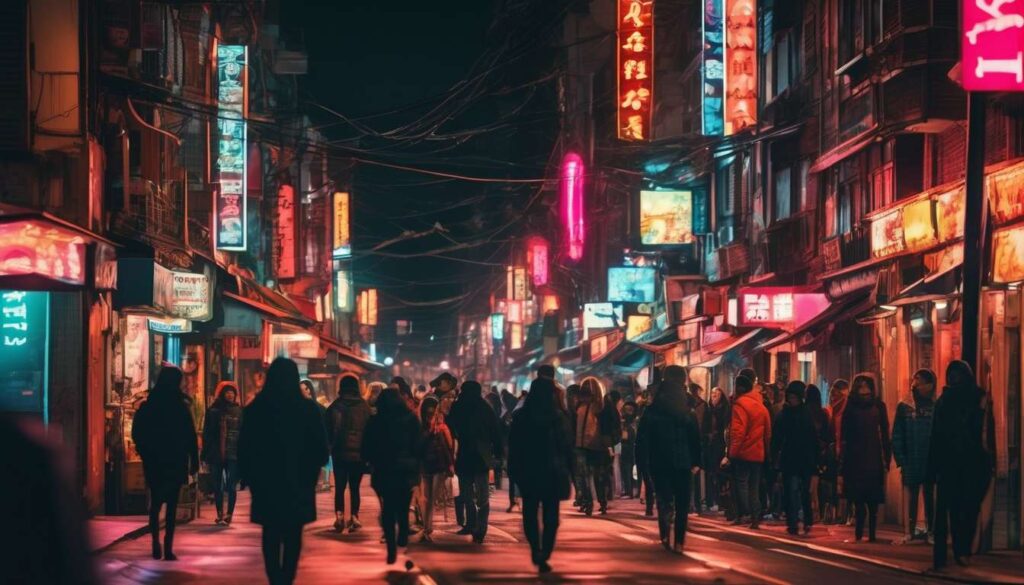
As cities around the globe redefine their post-pandemic identities, local tourism boards find themselves at a crossroads with the rising prominence of strip club districts. In recent months, these districts are not just shadows of nightlife but are becoming central to urban culture and tourism discussions.
This transformation brings both challenges and opportunities, compelling a reconsideration of:
- Economic impact
- Moral implications
- Social consequences
- Cultural effects
From the vibrant streets of Las Vegas to smaller towns, the conversation is gaining momentum. How do we balance the allure of these venues with the need to maintain a city’s reputable tourism image?
As custodians of culture and economy, we explore this multifaceted issue, examining its implications for:
- Community identities
- Future tourism strategies
Together, we face a dynamic conundrum, seeking solutions that honor both economic interests and cultural values.
Economic Implications
Strip club districts can significantly boost local economies by attracting tourists who spend money on accommodations, dining, and entertainment. These vibrant areas contribute to the local economy in several ways:
- Creating jobs
- Increasing tax revenues
The influx of visitors not only fills hotels and restaurants but also supports a diverse range of businesses, from transportation services to local shops.
Economic Implications
Strip club districts can serve as a catalyst for urban dynamics:
- Revitalizing underdeveloped areas
- Sparking new investments
- Infrastructure improvements
This transformation often leads to a more vibrant and lively community where people feel a sense of belonging.
Social Impact Considerations
While these districts can enhance nightlife and cultural offerings, they may also create challenges such as:
- Increased noise
- Congestion
It’s crucial for us to balance these factors, ensuring that the benefits of economic growth align with the community’s values and quality of life.
Moral Dilemmas
When considering the presence of strip club districts, we must address the moral dilemmas they pose, such as the potential for exploitation and the impact on community values. These venues can challenge our collective sense of ethics and belonging.
Economic Implications vs. Core Values:
-
Economic Benefits:
- Revenue Generation
- Boost to Local Businesses
-
Potential Harms:
- Exploitation of individuals
- Negative impact on families and neighborhoods
Urban Dynamics:
- Changes in community structure and culture
- Alignment with community vision:
- Are we fostering an environment of personal growth and respect?
- Are we compromising ideals for financial gain?
As we navigate these complexities, let’s remember that our decisions should reflect our shared values and the type of community we want to build. We’re all in this together, striving for a balance that benefits everyone.
Social Impact
We should examine how strip club districts influence social cohesion and community interactions.
In our urban dynamics, these areas often stir debates about their social impact. Strip club districts can create both division and unity within communities.
On one hand, they might foster economic implications that benefit local businesses and increase job opportunities. On the other, they might alter the fabric of social interactions, influencing how residents perceive their neighborhoods.
Economic Implications:
- These districts can boost local economies by attracting visitors.
- They might lead to increased costs for public services.
- They can affect perceptions of safety.
This duality challenges us to find a balance that respects community values while acknowledging economic benefits.
Community Engagement:
As part of the community, we must engage in conversations that bridge differing perspectives. By doing so, we can:
- Foster understanding.
- Create inclusive spaces where everyone feels they belong.
- Ensure that urban dynamics enhance our collective well-being.
Cultural Shifts
Strip club districts can lead to significant cultural shifts that reshape our perceptions and values within communities. These areas influence local culture by blending entertainment with economic implications. As these districts develop, they often become part of a city’s identity, affecting how we view nightlife and social interactions.
This integration can create a unique sense of belonging, but it also pushes us to reevaluate what we consider acceptable or mainstream.
Economic Impacts:
- Strip club districts contribute to local economies by attracting tourists and generating revenue.
- They also spark discussions about the social impact on neighborhoods, affecting urban dynamics.
Cultural Dynamics:
- These districts can lead to cultural acceptance or resistance, depending on how they align with a community’s values.
- They influence urban landscapes, affecting everything from business to social norms.
As we navigate these shifts, it’s essential to consider how to balance respect for both tradition and modern evolution.
Global Trends
In many parts of the world, the rise of strip club districts is influencing global tourism patterns and reshaping how cities market themselves as destinations. The economic implications are significant:
- Local businesses, from hotels to restaurants, benefit from increased foot traffic.
- These districts bolster local economies, creating jobs and boosting tax revenue.
Yet, there’s more to consider than just dollars and cents.
Social impacts are equally profound. These districts can:
- Alter perceptions of cities, attracting diverse visitors.
- Raise questions about cultural values.
- Become spaces where people from various backgrounds interact, fostering a sense of community.
However, they also spark debates around morality and social norms, challenging us to find balance.
As we navigate these changes, urban dynamics play a crucial role. Strip club districts influence how cities evolve by:
- Shaping public spaces.
- Affecting community interactions.
It’s essential for us to engage in thoughtful dialogue, ensuring these districts align with our collective vision for inclusive, vibrant communities.
Urban Dynamics
Strip club districts are reshaping urban landscapes and influencing the fabric of city life, creating unique urban dynamics that affect both economic and social structures.
Economic Impact:
- These districts can stimulate local business by attracting visitors.
- They increase demand for nearby amenities like restaurants and hotels.
- The influx of visitors can potentially elevate property values.
- Significant tax revenue can be generated as a result.
Social Impact:
- Strip clubs are viewed by some as entertainment hubs that contribute to a vibrant nightlife.
- Others worry about potential negative impacts, such as:
- Increased crime
- The area’s reputation
These concerns can affect how residents perceive their neighborhoods and influence community cohesion.
Navigating Urban Dynamics:
It is crucial to consider both the economic implications and the social impact of strip club districts.
- We must strive to find a balance that respects diverse opinions.
- Promoting a positive, inclusive community environment is essential, ensuring everyone feels they belong.
Tourism Strategies
Tourism boards can strategically harness the appeal of strip club districts to attract diverse visitor demographics. This approach not only boosts local economies but also requires managing community concerns effectively.
By embracing these areas, tourism boards can tap into their potential for economic implications, drawing in tourists eager to explore unique urban dynamics. This strategy involves balancing the social impact, ensuring that while capitalizing on their allure, any negative perceptions are also addressed.
Key components of the strategy include:
-
Promoting vibrant nightlife and entertainment options that these districts offer. This creates an inclusive environment where different groups feel welcomed.
-
Highlighting the multifaceted nature of these areas, showcasing both their cultural and economic contributions.
-
Fostering partnerships with local businesses to ensure that the revenue generated benefits the broader community.
By being transparent and inclusive in strategies, tourism boards can assure communities of their commitment to positive outcomes, both socially and economically.
Community Engagement
To foster genuine community engagement, we must actively involve local residents in discussions and decisions about the role of strip club districts in tourism. By doing so, we can ensure that our collective voices shape the economic implications and social impact of these areas. It’s crucial to balance the potential revenue generated with the well-being and values of our community.
Engaging with all stakeholders allows us to address concerns, celebrate diversity, and create a sense of belonging. We need to listen to both supporters and critics to craft policies that reflect our shared goals.
Key areas to analyze include:
- How strip club districts influence urban dynamics
- Traffic patterns
- Neighborhood character
As we explore the economic implications, let’s not overlook the importance of social impact. By involving local voices, we can create strategies that enhance our community’s strengths and address its challenges.
Our collaborative efforts can lead to thriving urban dynamics that everyone feels a part of. Together, we can ensure that the community’s collective voice is heard and reflected in the decisions made.
What are the health and safety regulations for employees working in strip club districts?
When we think about the health and safety regulations for employees working in strip club districts, it’s crucial to ensure that their well-being is a top priority.
These regulations often include:
- Guidelines for workplace cleanliness
- Proper training on handling emergencies
- Ensuring a safe environment free from harassment
By upholding these standards, we can create a workplace where all employees feel valued and protected.
How do strip club districts affect local real estate prices and residential development?
Strip club districts can impact local real estate prices and residential development.
The presence of these districts might lead to lower property values in surrounding areas due to:
- Stigma
- Noise concerns
Some potential homebuyers may be deterred by the proximity of these districts.
This can influence the types of development that occur in the region, with developers potentially choosing to avoid building residential properties near strip club districts.
What role do strip clubs play in the preservation or transformation of local traditions and customs?
Strip clubs have a significant impact on local traditions and customs. They can play a dual role in communities:
- They may challenge deeply rooted beliefs, prompting discussion and reflection on existing norms.
- Alternatively, they can become an accepted part of the local culture, integrating into the social fabric over time.
In many communities, strip clubs can spark debates about morality and values. These discussions often center around:
- The appropriateness of strip clubs within the community.
- The implications for local values and societal norms.
- The balance between freedom of expression and cultural preservation.
Ultimately, the integration of strip clubs into local traditions depends on our willingness to adapt and evolve as a society.
It is important to embrace change while simultaneously respecting our heritage, finding a balance between innovation and tradition.
Conclusion
Local Tourism Boards and Strip Club Districts:
Local tourism boards face the challenge of evaluating the impact of strip club districts by weighing:
-
Economic Benefits: These districts can attract tourists and generate significant revenue.
-
Moral Considerations: Many communities have ethical concerns about the presence of strip clubs.
-
Social Repercussions: Potential issues include changes in neighborhood dynamics and possible increases in crime rates.
-
Cultural Changes: There may be shifts in community identity and traditional values.
Key Strategies for Tourism Boards:
Understanding global trends and urban dynamics is crucial for shaping effective tourism strategies. Boards should aim to:
-
Engage the Community: Involve local residents in discussions and decision-making processes to understand their perspectives and concerns.
-
Balance Factors: Strive to create a sustainable and inclusive tourism environment by:
-
Respecting local values.
-
Promoting responsible tourism practices.
-
By addressing these elements, tourism boards can make informed decisions that foster a harmonious and thriving local tourism industry.