
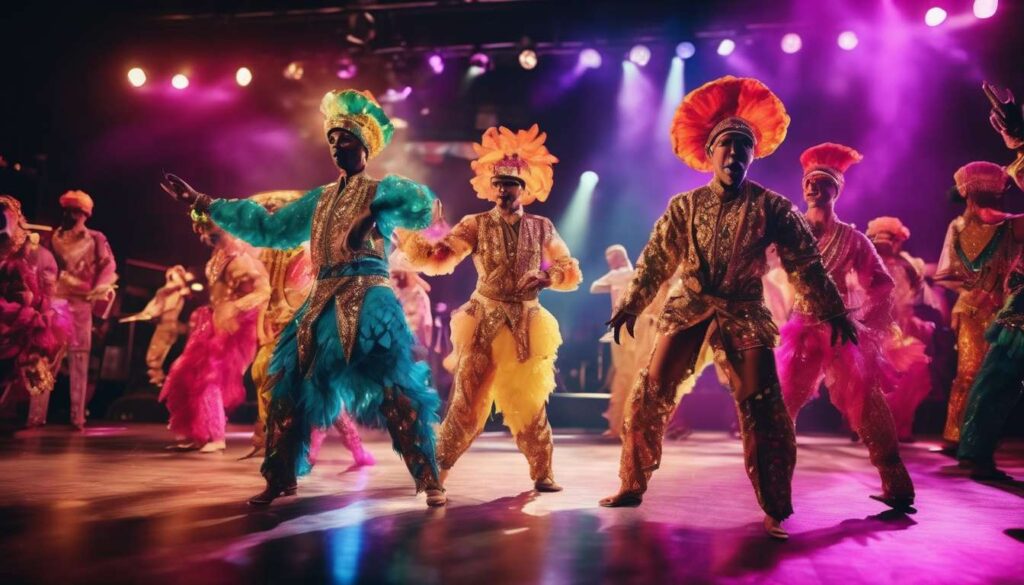
Dismissing the notion that all performers share the same stage, we dive into the nuanced world of performer classification in live entertainment. Often overlooked, the categorization of talent not only defines career trajectories but also influences the creative dynamics we witness and enjoy.
As we evaluate different avenues of performance art, from theater and music to circus and dance, it becomes evident that the labels we assign — lead, supporting, ensemble — carry substantial weight. These classifications affect everything from:
- Compensation
- Credit
- Creative collaboration
- Audience expectation
In exploring this layered system, we aim to unravel how individuals are placed within these artistic hierarchies and the ramifications thereof.
By understanding the distinctions and decisions behind these roles, we, as both observers and participants in the entertainment landscape, can better appreciate the diversity and artistry that each performer brings to the stage.
Let’s delve into this essential facet of live artistry together.
The Importance of Performer Classification
Accurate Classification of Performers in Live Entertainment
Accurately classifying performers is crucial because it ensures:
- Fair compensation
- Appropriate roles
- Streamlined production processes
Benefits of Clear Role Definitions
- Expectation Management: Clearly defined roles help everyone understand what’s expected, fostering a sense of belonging and unity within the team.
- Effective Collaboration: Establishing specific roles allows for effective collaboration among cast and crew, ensuring that each person’s talents are fully utilized and appreciated.
- Seamless Production: This clarity allows for seamless teamwork, delivering memorable experiences for the audience.
Enhancing Audience Connection
The audience’s connection with a performance is paramount. By classifying performers correctly, we enhance:
- Overall Performance Quality: Ensuring everyone shines in their designated roles.
- Dynamic Collaboration: Transforming partnerships into engaging dynamics that captivate the audience.
Fostering a Valued Environment
Through careful classification:
- We honor each performer’s contribution, crafting a cohesive and compelling show.
- We create an environment where every performer feels valued, resulting in an inclusive experience for the audience.
Together, these efforts ensure that the performance resonates deeply with the audience, enhancing their overall experience.
Defining Lead Roles in Live Entertainment
In live entertainment, defining lead roles is essential for guiding performances and ensuring the show’s success. When we outline these roles, we create a clear framework that supports the entire production.
Lead roles carry the narrative, giving the audience a focal point to connect with emotionally. Through their performances, they embody the central themes and messages, inviting the audience to feel a sense of belonging within the story.
Our collaboration as a team is crucial in bringing these lead roles to life. Directors, actors, and crew members work together harmoniously, each contributing their unique talents and insights. This collaborative effort ensures the lead roles resonate with the audience, making the experience memorable and engaging.
By establishing clear roles, we also foster an environment where creativity thrives. Each performer understands their place in the grand scheme, allowing us to focus on what truly matters:
- Creating a shared, immersive experience
- Captivating and uniting our audience
Unpacking Supporting Cast Contributions
The Role of the Supporting Cast
The supporting cast plays a vital role in enriching the narrative and enhancing the depth of the overall performance. We often find ourselves captivated by the nuanced contributions they bring to the stage. These talented individuals seamlessly weave into the story, allowing the lead roles to shine while ensuring the plot remains engaging.
Their presence provides balance, making each scene more relatable and immersive for the audience.
Collaboration and Creativity
In our shared experience of entertainment, collaboration is key. The supporting cast doesn’t just follow directions; they actively engage in the creative process, offering their unique perspectives and talents.
This teamwork fosters a sense of unity, allowing the entire cast to deliver a cohesive performance. When we witness this harmony on stage, we feel a connection, a sense of belonging within the performance itself.
Audience Appreciation
As members of the audience, we appreciate the subtleties and layers that supporting cast members contribute. Their efforts make us feel part of an inclusive and vibrant storytelling journey.
Navigating the Ensemble Experience
In the dynamic world of ensemble performances, we constantly explore how each member’s unique contributions blend to create a harmonious and impactful experience. Our roles may vary—some of us might take center stage, while others provide essential support—but together, we form a cohesive unit. This collaboration is the heartbeat of any ensemble. We lean on each other’s strengths, fostering a sense of belonging and unity that resonates with our audience.
As we navigate the ensemble experience, communication becomes our guiding star. We must understand not just our own roles, but also how they interconnect with those of our fellow performers. This mutual awareness allows us to:
- Adapt and respond in real-time
- Ensure that the entire performance remains fluid and engaging
Our audience is a vital part of this experience. Their energy and reactions feed back into our performance, creating a dynamic loop of interaction.
Ultimately, our collective aim is to craft a shared moment that leaves a lasting impression.
Impact of Solo Performances
In solo performances, we focus on showcasing our individual artistry and unique talents, creating an intimate connection with the audience. We step into roles that highlight our personal skills, allowing us to express our true selves.
This connection with the audience is profound, as they witness a singular vision come to life, feeling a part of our artistic journey. It’s a moment where we invite them into our world, sharing emotions and stories that resonate deeply.
While solo performances emphasize individuality, they also require a different kind of collaboration. We work closely with:
- Directors
- Choreographers
- Lighting designers
These collaborations ensure our vision aligns with the overall experience we want to deliver. This collaboration is crucial, as it shapes how the audience perceives our performance.
By balancing our roles with these collaborative efforts, we create memorable experiences. Together, we foster a sense of belonging, as the audience becomes an integral part of our narrative, reflecting our shared human experience.
Understanding Artistic Collaborations
Artistic collaborations bring diverse talents together, allowing us to create richer and more dynamic performances. When we collaborate, each performer contributes a unique skill set that enhances the overall production.
Our roles become interconnected, weaving a tapestry of creativity that captivates the audience. Through collaboration, we move beyond individual expression and embrace a collective artistry that resonates deeply with those watching.
In these collaborations, we find a sense of belonging. By working closely with our peers, we build a supportive community that thrives on shared experiences and mutual respect. This camaraderie not only strengthens our performances but also enriches our personal growth as artists.
The audience, in turn, feels this connection and becomes an integral part of our journey.
As we embrace our diverse roles, our collaborations become a celebration of unity and creativity. We invite the audience to join us in this experience, creating a shared moment that transcends the stage and lingers in our hearts.
Audience Perception and Expectations
In live entertainment, we constantly evaluate how our performances align with the audience’s perception and expectations. Our roles on stage, whether as lead performers or supporting artists, are shaped by a collaboration that aims to resonate with our audience.
Creating a sense of belonging is crucial, and our success hinges on how well we connect with those watching. It’s not just about the spectacle; it’s about forming a connection that makes the audience feel like an integral part of the experience.
We also recognize that audience expectations are dynamic. By actively engaging with our collaborators, we adapt our roles to meet these evolving demands.
Through rehearsals and discussions, we refine our approach, ensuring that our performances not only entertain but also invite the audience to feel seen and understood.
This ongoing dialogue between performers and audience members fosters a shared experience that goes beyond the stage, uniting us in a moment of collective enjoyment and understanding.
Evolution of Performer Roles
Over time, we’ve witnessed a significant transformation in how performers engage with their craft and audiences. Performer roles have evolved beyond traditional boundaries, embracing new forms of expression and interaction.
Artists as Collaborators:
- Artists are no longer seen just as solo acts.
- They are key collaborators in creating shared experiences.
- Examples include:
- Musicians collaborating with visual artists.
- Actors engaging in immersive theatre.
Blurring Lines Between Performer and Audience:
- The traditional distinction between performer and audience has blurred.
- This evolution allows everyone to feel part of something larger, fostering a sense of belonging.
Audience Engagement:
- Audiences now crave more than passive consumption.
- They seek meaningful connections and active participation.
Performers’ Adaptation:
- Performers are adapting by focusing on collaboration that includes the audience as co-creators.
- This shift is visible in:
- Interactive concerts.
- Immersive plays.
- Live-streaming events.
Strengthening Community Bonds:
- By embracing these new dynamics, we strengthen our community bonds.
- Each performance becomes a shared, memorable journey for all involved.
How does performer classification affect contractual agreements and compensation in live entertainment?
Performer Classification and Its Impact on Contracts and Compensation
When performer classification impacts contractual agreements and compensation in live entertainment, it brings clarity to roles and responsibilities.
Understanding Classification:
- Knowing how we are classified helps us negotiate fair terms and ensure proper compensation for our talents.
- It allows us to advocate for ourselves and protect our rights in the industry.
Empowerment Through Knowledge:
- This knowledge empowers us to make informed decisions.
- It helps in building stronger relationships with our employers.
By understanding and utilizing performer classification, we can navigate the industry more effectively and ensure that we are treated fairly.
What are the legal implications of misclassifying performers in the entertainment industry?
Misclassifying performers in the entertainment industry can have serious legal implications.
Misclassification may lead to penalties, including:
- Fines
- Back payment of wages
Additionally, misclassification can result in:
- Lawsuits
- Damage to a company’s reputation
By ensuring accurate classification, we protect both performers and the organization.
It’s crucial to:
- Understand the legal ramifications.
- Strive for proper classification to avoid negative consequences.
How do technological advancements, such as virtual performances, influence performer classification?
As we dive into the impact of technological advancements on performer classification, it’s clear that virtual performances bring a new layer of complexity. These innovations challenge traditional categorizations and require a fresh perspective on how we classify performers.
Embracing these changes allows us to adapt and evolve in an ever-changing industry landscape. By understanding the influence of virtual performances, we can better navigate the nuances of performer classification in today’s dynamic entertainment world.
Conclusion
In conclusion, understanding performer classification in live entertainment is crucial for recognizing the diverse roles and contributions of individuals in creating memorable performances.
By defining lead roles, unpacking supporting cast contributions, and navigating ensemble experiences, the audience’s perception and expectations are shaped.
As the roles of performers continue to evolve, it is essential to appreciate:
- The dynamics of artistic collaborations
- The impact of solo performances on the overall live entertainment experience
Recognizing these elements helps in understanding the contributions each performer makes to the art form.